As Indian businesses continue to expand into global markets, demonstrating strong data security and operational integrity has become a critical business requirement. Companies that handle customer information, cloud-based services, financial data, or sensitive business processes are increasingly being asked to provide evidence of robust security controls. This is where SOC 2 compliance plays a significant role.
One of the most common questions organizations ask before beginning their compliance journey is: How much does SOC 2 compliance cost? The answer is not straightforward because the overall investment depends on several factors, including the organization’s size, existing security posture, audit scope, and compliance objectives.
This article explores the various elements that influence SOC 2 compliance costs for organizations in India.
What is SOC 2?
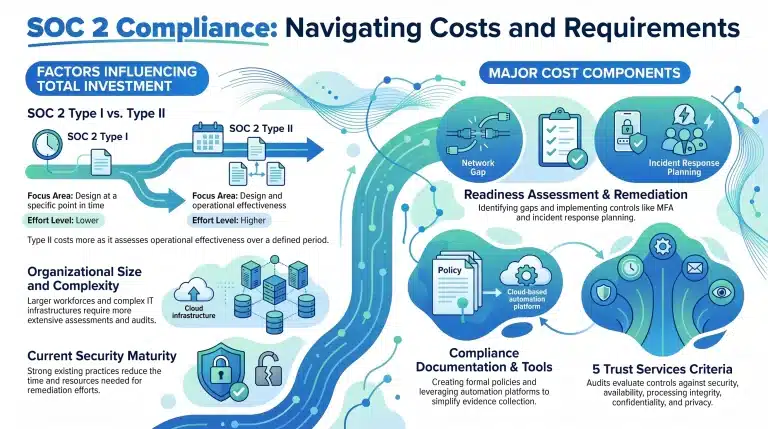
SOC 2 is an audit standard created by the AICPA to examine the controls employed by companies to safeguard their customers’ information. SOC 2 looks at control measures against five Trust Services Criteria: security, availability, processing integrity, confidentiality, and privacy. Companies that utilize SOC 2 include software-as-a-service companies, cloud service providers, tech firms, and others that manage customer information.
Key Factors That Influence SOC 2 Compliance Costs
The cost of SOC 2 compliance varies from one organization to another because every business has unique systems, processes, and security requirements. Several factors can affect the overall investment.
Organization Size and Complexity
The size of the organization plays a major role in determining compliance costs. Businesses with larger workforces, multiple locations, complex IT infrastructures, and numerous applications typically require more extensive assessments and audits.
Organizations with simpler environments often have fewer controls to document, manage, and evaluate, resulting in a more streamlined compliance process.
Current Security Maturity
Companies that have already implemented strong cybersecurity practices are usually better positioned for SOC 2 compliance. Organizations with established security policies, access controls, monitoring mechanisms, and risk management processes often require fewer remediation efforts before an audit.
In contrast, businesses that are at an earlier stage of security maturity may need to invest more time and resources in implementing the necessary controls.
Scope of the Audit
SOC 2 audits can vary in scope depending on which systems, services, departments, and locations are included. A narrowly defined scope may reduce the amount of effort required, while a broader scope involving multiple business functions typically increases complexity.
Clearly defining the scope at the beginning of the project helps organizations manage costs and streamline the compliance process.
Type of SOC 2 Report
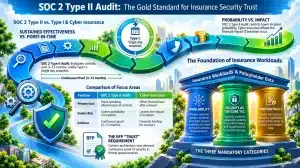
Organizations can pursue either a SOC 2 Type I or SOC 2 Type II report.
SOC 2 Type I evaluates whether controls are appropriately designed at a specific point in time.
SOC 2 Type II assesses both the design and operational effectiveness of those controls over a defined observation period.
Because Type II involves additional testing and monitoring, it generally requires more effort than a Type I engagement.
Major Cost Components of SOC 2 Compliance
SOC 2 compliance typically involves multiple stages, each contributing to the overall investment.
Readiness Assessment
Many organizations begin with a readiness assessment or gap analysis. This phase helps identify existing controls, compliance gaps, and areas requiring improvement before the formal audit begins.
A readiness assessment provides valuable insights and helps organizations develop a structured roadmap toward compliance.
Security Improvements and Remediation
Once gaps have been identified, organizations may need to implement or strengthen various security controls. This can include:
- Access management processes
- Multi-factor authentication
- Risk management procedures
- Security monitoring solutions
- Employee awareness training
- Incident response planning
- Vendor management controls
- Business continuity measures
The level of remediation required varies significantly depending on the organization’s existing security framework.
Compliance Documentation
SOC 2 requires organizations to establish and maintain documented policies and procedures. Examples include:
- Information security policies
- Data protection policies
- Access control procedures
- Incident response processes
- Change management procedures
- Risk assessment documentation
Creating and maintaining accurate documentation often requires collaboration across multiple departments.
Compliance Automation Tools
Many organizations use compliance automation platforms to simplify evidence collection, control monitoring, and audit preparation.
These tools can help reduce manual workloads and improve efficiency during the compliance process. However, organizations should evaluate whether automation aligns with their operational needs and compliance goals.
Internal Resource Allocation
SOC 2 compliance requires participation from various teams, including:
- IT
- Security
- Human Resources
- Legal
- Operations
- Executive leadership
The time invested by internal stakeholders is an important consideration when planning for compliance, even if it is not always reflected as a direct financial expense.
Independent Audit
An independent audit conducted by a qualified CPA firm is a key requirement of SOC 2 reporting. During the audit, assessors review controls, examine evidence, interview stakeholders, and evaluate compliance with the selected Trust Services Criteria.
The complexity and scope of the audit influence the overall effort involved.
Hidden Costs Organizations Should Consider
Many organizations focus primarily on the audit itself and underestimate the ongoing responsibilities associated with maintaining compliance.
Potential ongoing investments may include:
- Employee training programs
- Security awareness initiatives
- Vulnerability assessments
- Penetration testing
- Continuous monitoring activities
- Policy updates
- Vendor risk assessments
- Annual audit preparations
SOC 2 should be viewed as an ongoing commitment rather than a one-time project.
How Organizations Can Optimize SOC 2 Compliance Costs
Businesses can improve efficiency and manage compliance costs by adopting a strategic approach.
Define a Focused Scope
Limiting the initial scope to critical systems and services can help reduce complexity and simplify the compliance journey.
Strengthen Existing Controls
Building on existing security practices is often more efficient than implementing entirely new frameworks.
Conduct Early Assessments
Identifying weaknesses early enables organizations to address issues before the formal audit process begins.
Improve Employee Awareness
Well-trained employees can contribute significantly to maintaining compliance and reducing operational risks.
Leverage Technology
Automation and centralized compliance management tools can help streamline documentation, evidence collection, and ongoing monitoring activities.
SOC 2 Compliance for your 2026 project?
Get a free consultation with our tech team — no commitment.
Final Thoughts
There is no fixed cost for achieving SOC 2 compliance in India. The overall investment depends on factors such as organizational size, operational complexity, audit scope, security maturity, and the type of SOC 2 report being pursued.
Rather than focusing solely on expenses, organizations should view SOC 2 as a strategic investment in security, customer trust, and business growth. A successful SOC 2 program can strengthen cybersecurity practices, enhance credibility with clients, support vendor requirements, and create new opportunities in both domestic and international markets.
For Indian organizations looking to build trust and demonstrate a strong commitment to data protection, SOC 2 compliance continues to be an important step toward long-term business success.
Frequently Asked Questions
U.S. clients frequently require AICPA-compliant SOC 2 reports as mandatory vendor proof that an Indian partner effectively protects sensitive customer data.
Costs depend on company size, IT infrastructure complexity, audit scope, and your existing cybersecurity maturity level.
Type I evaluates controls at a single point in time and costs less initially, while Type II assesses control effectiveness over 3–12 months and is the standard expected by U.S. enterprise buyers.
An experienced provider identifies security gaps early, sets up automated tools, and streamlines preparation, preventing expensive remediation delays and hidden audit costs.